.png)
Unlocking Relief: The Science and Benefits of Intra- and Extra-Oral Massage for TMJ, Headaches, and More
- Morgan Rigney

- Mar 9
- 3 min read
Updated: Mar 11
Temporomandibular joint (TMJ) disorders, headaches, and ear pressure are common issues that affect many people daily. These conditions often cause discomfort and disrupt everyday life. One effective, non-invasive way to ease these symptoms is through intra- and extra-oral massage. This technique targets muscles inside and outside the mouth to relieve tension and improve function. Understanding the science behind these massages and their benefits can help you decide if this therapy is right for you.
What Is Intra- and Extra-Oral Massage?
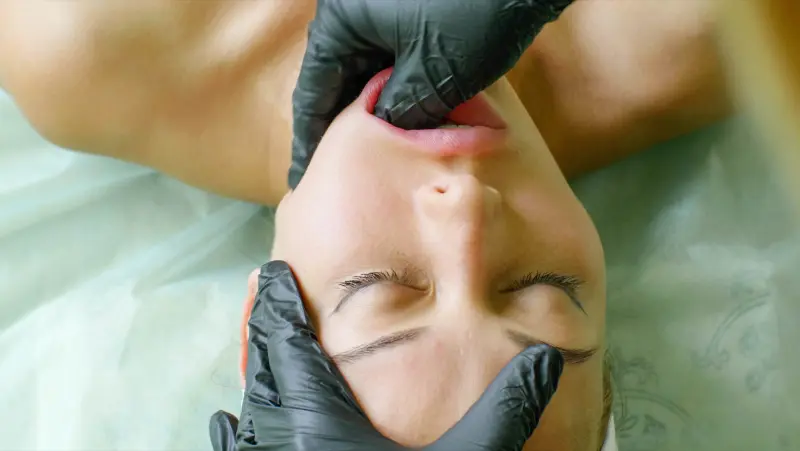
Intra-oral massage involves gentle manipulation of muscles inside the mouth, such as the masseter, pterygoid, and temporalis muscles. These muscles control jaw movement and are often tight or inflamed in TMJ disorders. Extra-oral massage focuses on muscles outside the mouth, including the cheeks, temples, neck, and shoulders. Both techniques aim to reduce muscle tension, improve blood flow, and restore normal movement.
These massages are usually performed by trained therapists who understand the anatomy of the face and jaw. The therapist uses fingers or specialized tools to apply pressure and release tight spots called trigger points. This process helps muscles relax and reduces pain signals sent to the brain.
How Intra- and Extra-Oral Massage Helps TMJ Disorders
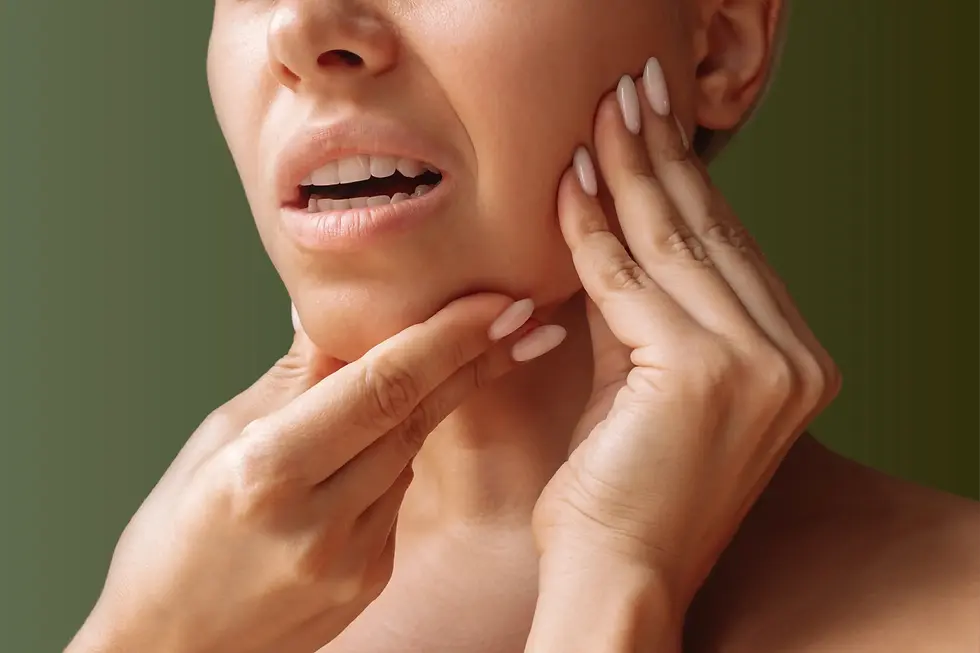
TMJ disorders occur when the jaw joint or surrounding muscles become inflamed or strained. Symptoms include jaw pain, clicking sounds, difficulty chewing, and headaches. Intra- and extra-oral massage can relieve these symptoms by:
Reducing muscle tension: Tight muscles around the jaw can cause pain and limit movement. Massage helps relax these muscles.
Improving blood circulation: Better blood flow brings oxygen and nutrients to damaged tissues, speeding healing.
Breaking up adhesions: Scar tissue or muscle knots can restrict jaw movement. Massage helps break these up.
Decreasing inflammation: Gentle pressure can reduce swelling and calm irritated nerves.
For example, a study published in the Journal of Oral Rehabilitation found that patients with TMJ pain who received intra-oral massage reported significant pain reduction and improved jaw function after several sessions.
Benefits for Headaches and Ear Pressure
Many headaches originate from tension in the muscles around the head and neck. Extra-oral massage targets these muscles, especially the temporalis and suboccipital muscles, which often contribute to tension headaches and migraines. By releasing tightness in these areas, massage can reduce headache frequency and intensity.
Ear pressure and discomfort sometimes result from muscle tension affecting the Eustachian tube or surrounding nerves. Intra-oral massage can relieve this pressure by relaxing muscles near the ear canal and jaw joint. This can help improve ear function and reduce feelings of fullness or popping.
Practical Tips for Experiencing Intra- and Extra-Oral Massage
If you are considering this therapy, here are some practical points to keep in mind:
Seek a qualified therapist: Look for professionals trained in orofacial massage or physical therapy with experience in TMJ treatment.
Communicate your symptoms: Describe your pain, headaches, or ear issues clearly so the therapist can target the right areas.
Start gently: The mouth and jaw are sensitive areas. The therapist will begin with light pressure and adjust based on your comfort.
Combine with other treatments: Massage works well alongside exercises, heat therapy, or stress management techniques.
Be consistent: Relief often requires multiple sessions over weeks.
The Science Behind Muscle Relaxation and Pain Relief
Muscle tension causes pain by compressing nerves and restricting blood flow. Massage stimulates mechanoreceptors in the skin and muscles, which send calming signals to the brain. This reduces the perception of pain and triggers the release of endorphins, the body’s natural painkillers.
Massage also promotes lymphatic drainage, helping remove waste products and reduce inflammation. Intra-oral massage reaches muscles that are difficult to access externally, making it especially effective for jaw-related issues.
Research supports these effects. A review in Physical Therapy Reviews highlighted that manual therapy, including intra-oral massage, improves jaw mobility and decreases pain in TMJ patients. Another study showed that massage reduced headache intensity by relaxing the temporalis muscle.
Who Can Benefit Most from These Massages?
People with the following conditions may find intra- and extra-oral massage helpful:
TMJ disorders with jaw pain and limited movement
Chronic tension headaches or migraines linked to muscle tightness
Ear pressure or discomfort related to jaw muscle tension
Bruxism (teeth grinding) causing muscle soreness
Post-dental surgery muscle stiffness
Even those without diagnosed conditions can use these massages to relieve everyday jaw tension caused by stress, poor posture, or long hours of talking or chewing.
Final Thoughts on Intra- and Extra-Oral Massage
Intra- and extra-oral massage offers a practical, hands-on approach to easing TMJ pain, headaches, and ear pressure. By targeting key muscles inside and outside the mouth, this therapy reduces tension, improves circulation, and supports healing. It is a safe option when performed by trained professionals and can complement other treatments for lasting relief.

Comments